
round antique silver mirror
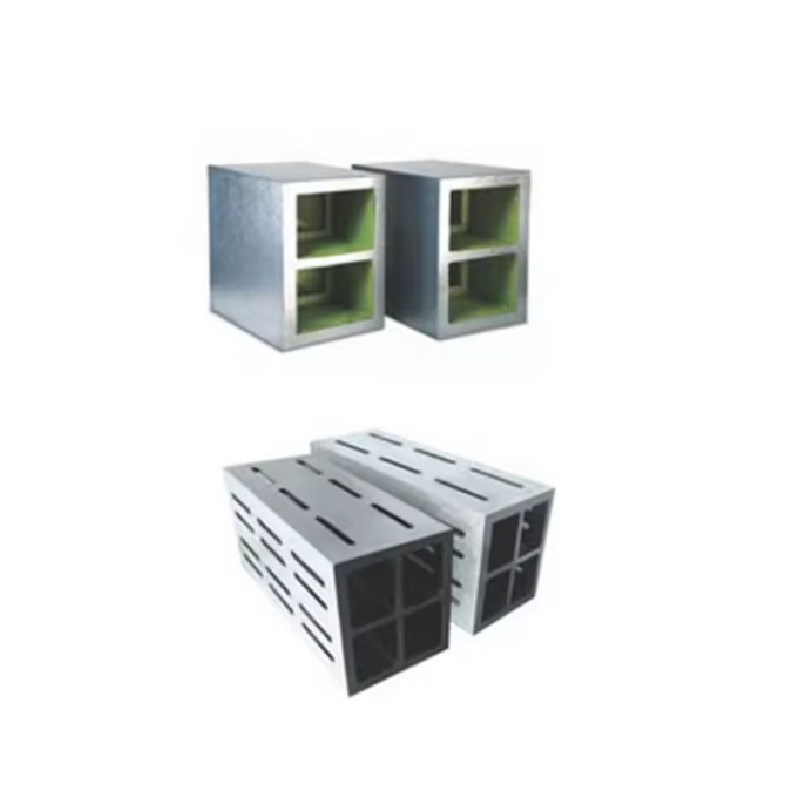
Pad irons are essential components used to support and distribute the weight of heavy machinery in various industries. These pads are placed under machine tools to ensure proper load distribution and stability. When calculating the bearing capacity of a pad iron , the total weight of the machine tool is divided by the number of fastening holes in the pad. This approach helps determine how much weight each pad can support and ensures the machine remains stable during operation. For optimal performance, the position of the machine tool’s center of gravity should also be considered, as this influences weight distribution across the pad irons . This ensures the machinery remains level and securely fastened during heavy-duty operations. Key Considerations: Divide the total machine tool weight by the number of fastening holes for accurate load distribution. Adjust for the center of gravity to balance the machine tool effectively. Effective Use of Anti-Vibration Rubber Pads for Heavy Machinery Anti-vibration rubber pads are crucial in minimizing vibrations and protecting heavy machinery from wear and tear. These pads are made from durable rubber materials that absorb and dampen the vibrations generated during the operation of large machine tools, preventing excessive movement and reducing noise. By placing these pads under machinery, industries such as manufacturing, construction, and processing can prolong the lifespan of equipment and enhance operational safety. In addition to reducing vibrations, anti-vibration rubber pads for heavy machinery provide improved load distribution and protect the floor surface from damage caused by the machine’s weight. The rubber material offers a firm grip, preventing the machinery from shifting or moving during intense operations. Benefits of Anti-Vibration Rubber Pads: Absorb and dampen vibrations, reducing wear and tear on machinery. Improve stability and prevent machinery from shifting. Extend the lifespan of equipment by minimizing vibrations. Versatile Applications of Vibration Pads in Industry Vibration pads are designed to reduce the vibrations and noise produced by heavy machinery, ensuring smooth and efficient operations. These pads are commonly used under compressors, pumps, generators, and other industrial equipment that produce high levels of vibration during use. Made from materials like rubber or a combination of rubber and cork, vibration pads are highly effective in isolating vibrations and preventing them from transferring to floors, structures, or other machines. In industries like manufacturing, construction, and energy, vibration pads are essential for protecting sensitive equipment, maintaining workplace safety, and improving machine performance. These pads can also help prevent misalignment caused by continuous vibrations, ensuring that the machinery operates accurately over time. Common Applications: Used under compressors, pumps, and other vibrating machinery. Prevent vibrations from affecting nearby equipment. Ensure machine stability and accurate performance. Heavy-Duty Protection with Heavy-Duty Anti-Vibration Pads For large-scale industrial machines, heavy-duty anti-vibration pads offer the highest level of protection and support. These pads are designed to withstand extreme loads while effectively absorbing vibrations generated by heavy machinery. Heavy-duty anti-vibration pads are commonly used in industries such as mining, construction, and large-scale manufacturing, where machinery operates under intense conditions. These pads are built to last, offering durability and resistance to compression, wear, and environmental factors like oil, water, and heat. By installing heavy-duty anti-vibration pads under machinery, companies can significantly reduce maintenance costs and improve the efficiency of their equipment by minimizing vibration-related damage. Key Features of Heavy-Duty Anti-Vibration Pads: Strong load-bearing capacity for large industrial machines. Resist compression and wear, ensuring long-term use. Absorb and dampen intense vibrations, protecting machinery and floors. Calculating Load Distribution for Pad Irons and Vibration Pads When selecting pad irons or vibration pads for a machine tool, it's essential to accurately calculate the load distribution. This process ensures that the pads can support the weight of the machinery effectively and prevent any uneven wear or instability. The total weight of the machine tool is divided by the number of fastening holes or contact points, which provides the bearing capacity required for each pad. Considerations for selecting the correct pads: Determine the total machine weight : This includes the weight of the machine tool and any additional components attached to it. Assess the center of gravity : Ensure that the weight is evenly distributed, especially for machines with an uneven center of gravity. Choose the appropriate pad type : Select pad irons , anti-vibration rubber pads , or heavy-duty anti-vibration pads based on the machine’s load and vibration requirements. By calculating load distribution and choosing the correct pads, companies can ensure that their machinery remains stable, operates smoothly, and is protected from the negative effects of vibration. Steps for Calculating and Selecting Pads: Calculate the machine tool's total weight and divide it by the number of fastening holes. Consider the machine’s center of gravity for balanced load distribution. Select the appropriate type of vibration pad based on the machine's size and operating conditions. Pad irons , anti-vibration rubber pads , and heavy-duty anti-vibration pads are vital components in ensuring the stability, accuracy, and longevity of heavy machinery. By correctly calculating load distribution and selecting the appropriate pads, companies can protect their equipment from the damaging effects of vibration, ensure safe operation, and reduce maintenance costs. Whether used for general industrial machinery or high-precision machine tools, these pads provide the support and protection necessary for efficient operation. Explore our range of vibration pads today to ensure your machines are running smoothly and securely.
about
round antique silver mirror
Understanding Main Water Shut-off Valves A Homeowner’s Guide Main water shut-off valves are crucial components of a home’s plumbing system, serving as the primary control point for the water supply. Understanding their importance, functionality, and maintenance can help homeowners manage water issues effectively and prevent extensive damage to their properties. What is a Main Water Shut-off Valve? The main water shut-off valve is the first point of control in a household plumbing system. It regulates the flow of water from the municipal supply or well into the home’s plumbing infrastructure. Typically located near the foundation of a house, in the basement, or close to where the water line enters the home, this valve is essential during plumbing repairs or emergencies. Importance of Knowing the Location Every homeowner should know where their main water shut-off valve is located. In an emergency, such as a burst pipe or a significant leak, knowing how to quickly access and close this valve can save the home from thousands of dollars in water damage. Depending on the design and layout of the home, the valve may be a gate valve (which turns off water by lifting a gate) or a ball valve (which uses a lever to control water flow). Familiarizing yourself with its type and operation is crucial. How to Operate the Valve main water shut off valves Operating a main water shut-off valve is generally straightforward. For a gate valve, turning the handle clockwise will shut off the water supply, while turning it counterclockwise will turn it back on. For a ball valve, simply turning the handle a quarter turn will do the same. It’s advisable to practice this action when there’s no emergency, as handling a valve can sometimes be stiff or difficult due to rust or age. Regular Maintenance and Inspection To ensure the main water shut-off valve operates effectively, regular maintenance is recommended. Once a year, homeowners should inspect the valve for signs of wear, rust, or leaks. If the valve is difficult to turn, applying a lubricant can help. In areas with hard water, minerals can build up around the valve, making it difficult to operate. Cleaning these deposits when observed is beneficial for long-term functionality. When to Call a Professional If the main shut-off valve is not functioning properly, or if it shows signs of corrosion and damage, it’s wise to contact a plumbing professional. They can provide options for repair or replacement, ensuring your plumbing system remains effective. Furthermore, emergency situations involving extensive leaks should prompt an immediate call to a plumber to prevent further damage and loss. Conclusion The main water shut-off valve is a vital aspect of home plumbing, crucial for managing water flow and preventing extensive damage during emergencies. Homeowners should familiarize themselves with its location, operation, and maintenance needs. By taking proactive steps to manage and care for this important valve, you can protect your home from the unpredictable nature of plumbing emergencies and ensure a safe, functional living environment. Regular checks and knowledge about when to seek professional help are key to maintaining a healthy plumbing system.
-

High quality industrial productsagement

High quality industrial products
View Details -

Meet the diverse needs of customers

Meet the diverse needs of customers
View Details -

Strict quality control

Strict quality control
View Details -

Top raw materials

Top raw materials
View Details -

Trusted supplier

Trusted supplier
View Details
Our application


news and information
Válvulas de compuerta y válvula de cierre
Las válvulas de compuerta (gate valves) y las válvulas de globo (globe valves) son dos tipos de válv
Válvula globo de 3 polegadas
A válvula de globo de 3 polegadas é um componente essencial em sistemas de tubulação, especialmente

Versatile Wood Connector Brackets for Durable and Secure Construction in Various Projects
Understanding Wood Connector Brackets Essential Components for Woodworking Projects In the realm of
 English